10 Signs You Should See a Gynecologist (Don’t Ignore These Symptoms)
Navigating women’s health can sometimes feel like a guessing game. Is that cramp “normal” or a cry for help? Is that cycle change just stress, or something more? While an annual check-up is the gold standard, your body often sends signals that you shouldn’t wait for your next scheduled appointment.
Understanding the signs you should see a gynecologist is the first step in taking charge of your reproductive health. Here are the key reasons to see a gynecologist and what you should look out for.
What are the signs that you should see a gynecologist?
Most women know they need a regular Pap smear, but your gynecologist is your partner for anything involving the reproductive system. You should book an appointment if you experience:
- Persistent Pelvic Pain: Not just during your period, but any dull ache or sharp pain in the lower abdomen.
- Lumps or Sores: Any unusual bumps, blisters, or warts in the genital area.
- Pain During Intercourse: Sex shouldn’t be painful; this can indicate infections, fibroids, or endometriosis.
- Urinary Issues: Frequent urges to go or pain during urination (which can sometimes be related to pelvic floor issues rather than just a UTI).
When should a woman see a gynecologist for the first time?
The American College of Obstetricians and Gynecologists (ACOG) recommends that young women have their first visit between the ages of 13 and 15.
It’s important to note that a first visit usually doesn’t involve a pelvic exam. It’s primarily about building a relationship with the doctor, discussing the menstrual cycle, and addressing concerns about acne, weight, or future contraception.
Should you see a gynecologist for irregular periods?
Yes. While “regular” is a spectrum, significant deviations are a major reason to see a gynecologist. You should seek advice if:
- Your period suddenly stops for more than three months.
- Your cycle is consistently shorter than 21 days or longer than 35 days.
- You experience “spotting” or bleeding between periods.
- Your periods last longer than seven days.
Irregularity can be a sign of polycystic ovary syndrome (PCOS), thyroid issues, or even high stress levels that need management.
Is severe menstrual pain a reason to visit a gynecologist?
If your period cramps are so intense that you’re missing work, school, or social events, that is not “just being a woman.” Severe pain (dysmenorrhea) is a legitimate medical concern. It could be a symptom of:
- Endometriosis: Where uterine-like tissue grows outside the uterus.
- Uterine Fibroids: Non-cancerous growths in the uterus.
- Pelvic Inflammatory Disease (PID): An infection of the reproductive organs.
When is vaginal discharge considered abnormal?
Discharge is a healthy sign that your vagina is “self-cleaning,” but changes in its “personality” are worth noting.
Use this table as a quick reference:
| Feature | Normal | See a Gynecologist |
| Color | Clear or milky white | Grey, green, yellowish, or “cottage cheese” white |
| Consistency | Thin/stretchy or thick/creamy | Clumpy, frothy, or excessively watery |
| Odor | Mild or musky | Strong, “fishy,” or foul odor |
| Itching | None | Persistent itching or burning |
Can hormonal imbalance require a gynecologist visit?
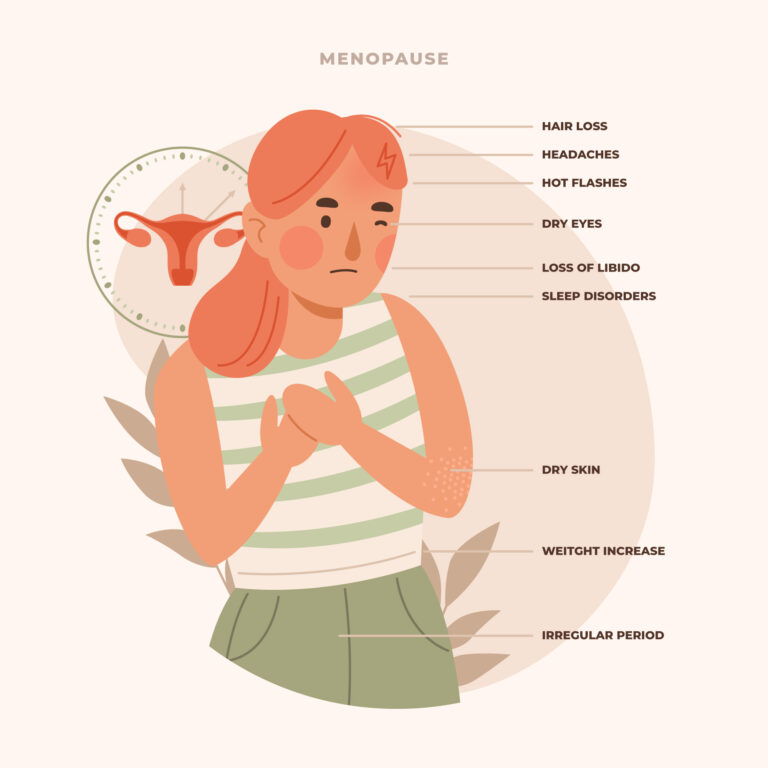
Absolutely. Your hormones govern everything from your mood to your metabolism. If you are experiencing sudden, unexplained weight gain, severe adult acne, thinning hair, or extreme mood swings (especially around your period), a gynecologist can run blood tests to check your hormone levels and suggest treatments like birth control or lifestyle adjustments.
FAQs
How often should you visit a gynecologist?
Most women should go once a year for a “well-woman” exam. Even if you don’t need a Pap smear every year (the frequency depends on your age and history), an annual pelvic and breast exam is still recommended.
How do I know if I need to see a gynecologist?
If you are asking yourself, “Is this normal?”—it’s probably time to go. Trust your intuition. Any change in your “baseline” health regarding your reproductive system is a valid reason for a visit.
What symptoms should not be ignored when it comes to women’s health?
Never ignore heavy bleeding (soaking through a pad or tampon every hour), sudden sharp pelvic pain, or unusual lumps in the breasts or genital area.
When should I schedule a gynecology appointment?
Ideally, try to schedule your visit for a time when you are not on your period, as this makes the physical exam and Pap smear easier to perform. However, if you are experiencing an emergency or heavy bleeding you want the doctor to see, call them immediately regardless of your cycle.
What does a gynecologist do at your first appointment?
The first visit is usually a “get to know you” session. The doctor will take your medical history, check your vitals (height, weight, blood pressure), and talk to you about your period and any health concerns. If you are over 21, they may perform your first Pap smear.