Hormonal Imbalance Symptoms in Women: Signs, Causes & Treatment
Your hormones are essentially your body’s chemical messengers. Produced by the endocrine glands, these powerful chemicals travel through your bloodstream, telling your tissues and organs what to do. They regulate nearly every major process in your body, from your metabolism and appetite to your sleep cycles and mood.
When you have a hormonal imbalance, you have too much or too little of a certain hormone. Even small changes can have serious effects on your whole body. Understanding the symptoms of hormonal imbalance in women is the first step toward reclaiming your well-being.
What is a hormonal imbalance?
A hormonal imbalance occurs when the delicate ratio of hormones in your bloodstream is disrupted. For women, this often involves fluctuations in estrogen and progesterone, though it can also involve insulin, cortisol, adrenaline, or thyroid hormones. Think of it like a biological symphony; if one instrument is out of tune, the entire performance feels off.
What are the common symptoms of hormonal imbalance in women?
Because hormones affect so many different functions, the symptoms can be diverse and vary from person to person. Common signs include:
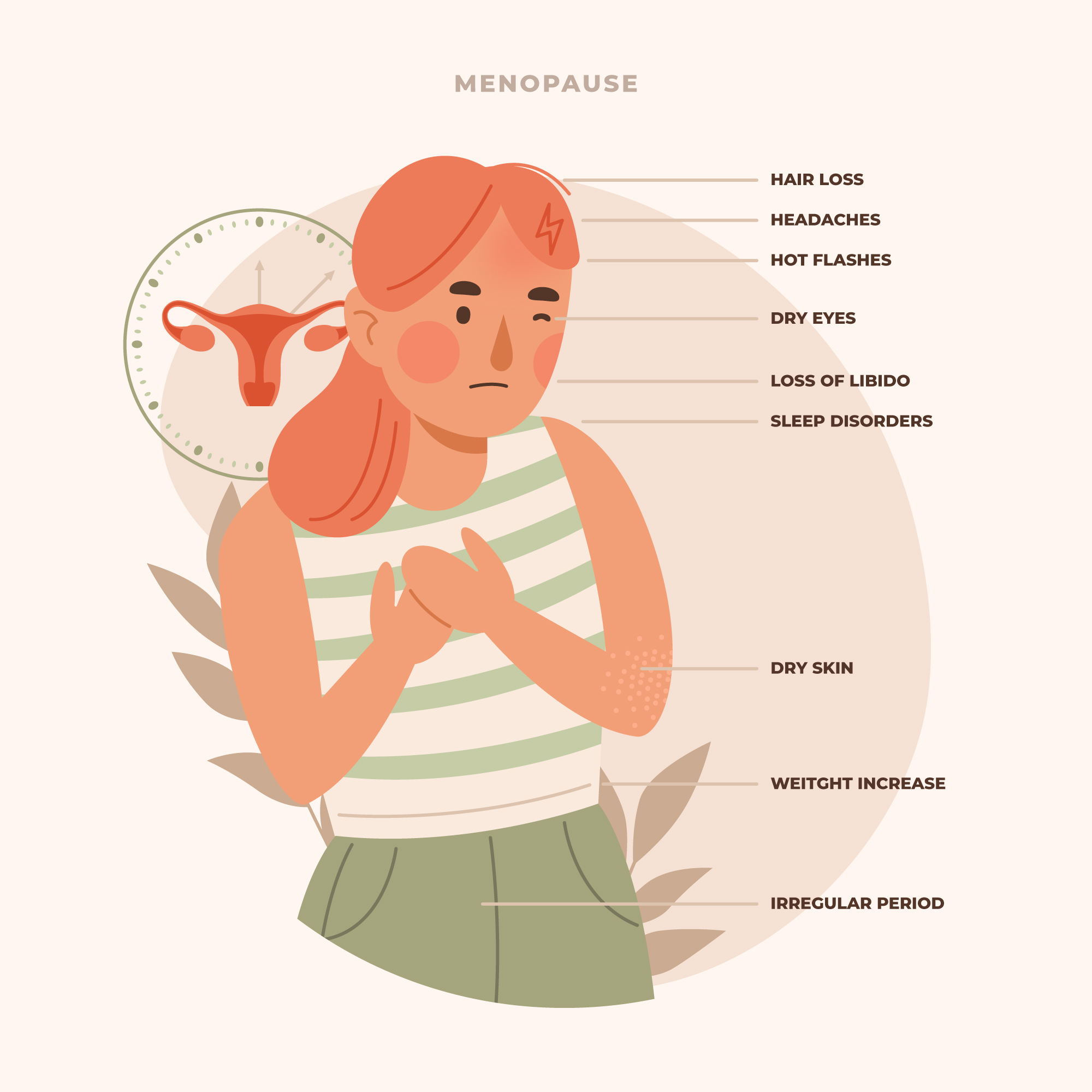
- Irregular Periods: Cycles that are consistently too short, too long, or non-existent.
- Persistent Acne: Breakouts that don’t respond to typical skincare, often concentrated along the jawline.
- Sleep Disturbances: Difficulty falling asleep or staying asleep, often linked to night sweats.
- Thinning Hair: Unusual hair loss on the head or, conversely, excess hair growth on the face or chin.
- Mood Fluctuations: Heightened anxiety, irritability, or unexplained “brain fog.”
How can you tell if you have a hormonal imbalance?
It can be tricky to distinguish hormonal shifts from everyday stress. However, you can usually tell it’s hormonal if the symptoms are persistent and cyclical.
Pro Tip: Keep a “symptom diary” for two months. If your fatigue, skin issues, or mood swings consistently peak during specific phases of your menstrual cycle, it is a strong indicator of a hormonal link.
What causes hormonal imbalance in women?
While some shifts are a natural part of life, others are triggered by external or medical factors:
- Life Stages: Puberty, pregnancy, breastfeeding, and perimenopause/menopause.
- Medical Conditions: Polycystic Ovary Syndrome (PCOS), thyroid issues (hypothyroidism or hyperthyroidism), and primary ovarian insufficiency.
- Lifestyle Factors: Chronic stress, poor diet, lack of sleep, and extreme exercise.
- Medications: Certain birth control pills or hormonal replacement therapies.
Can hormonal imbalance affect overall health?
Yes. Hormones don’t just affect how you feel today; they impact your long-term health. Left unaddressed, chronic imbalances can lead to:
- Bone Density Loss: Estrogen is vital for bone health; low levels increase the risk of osteoporosis.
- Heart Health: Hormones help regulate cholesterol and blood pressure.
- Metabolic Issues: Imbalances in insulin can lead to Type 2 diabetes.
What are the early signs of hormonal imbalance in women?
Before major symptoms appear, your body often sends “early warning” signals. These might include:
- A sudden change in your “normal” energy levels (feeling “tired but wired”).
- Mild but persistent bloating.
- A change in libido.
- Increased sensitivity to cold or heat.
Treatment of hormonal imbalance
The treatment of hormonal imbalance is never “one size fits all.” It depends entirely on which hormone is out of sync. Common approaches include:
- Medical Interventions: Hormonal birth control, thyroid medication, or Hormone Replacement Therapy (HRT) for menopausal symptoms.
- Nutritional Adjustments: Increasing fiber to help the body process excess estrogen and focusing on healthy fats for hormone production.
- Stress Management: Techniques like yoga or meditation to lower cortisol levels.
- Supplementation: In some cases, vitamins like B6, Magnesium, or Vitex can support natural balance (always consult a doctor first).
FAQs
Can hormone imbalance cause weight gain?
Yes. Hormones like insulin and cortisol dictate how your body stores fat. An imbalance can lead to stubborn weight gain, particularly around the midsection, that seems resistant to diet and exercise.
How do I fix my hormonal balance?
“Fixing” it starts with a diagnosis. A gynecologist or endocrinologist will typically order blood, saliva, or urine tests. Once the specific imbalance is identified, a combination of medical treatment and lifestyle changes—such as improving sleep hygiene and reducing processed sugars—is usually recommended.
How long does it take to correct hormonal imbalance?
Consistency is key. While some might feel better within a few weeks of starting treatment, it generally takes three to six months for the body to fully recalibrate and for physical symptoms like acne or hair thinning to show significant improvement.