How often should a woman see a gynecologist?
When it comes to maintaining our health, some appointments are easy to put on the back burner. We often treat our reproductive health as a “fix it when it’s broken” system, only booking an appointment when something feels noticeably wrong.
However, preventive care is the absolute best medicine. Knowing how often should you see a gynecologist—and sticking to that timeline—is one of the most empowering things you can do for your body.
Here is your complete guide to the recommended schedules, life stages, and exceptions for visiting your gynecologist.
How often should a woman see a gynecologist?
The short answer? Once a year. The American College of Obstetricians and Gynecologists (ACOG) recommends an annual “well-woman” exam for most women. This visit is an opportunity to discuss contraception, address any subtle symptoms, and run preventive screenings.
How frequently should you visit a gynecologist for a check-up?
As a general rule of thumb, you should maintain a frequency of one visit per year. Even if you feel perfectly healthy and have no glaring issues, this annual touchpoint helps your doctor establish your baseline “normal” so they can spot potential issues early.
What is the recommended gynecologist visit schedule for women?
While annual visits are the standard, the actual tests performed during those visits change based on your age and medical history. Here is a general scannable schedule for typically healthy women:
| Age Range | Visit Frequency | Key Screenings |
| 13–15 Years | First visit | Talk only, no pelvic exam unless symptomatic. |
| 21–29 Years | Annual | Pelvic exam, breast exam, and Pap smear every 3 years. |
| 30–65 Years | Annual | Pelvic exam, breast exam, and Pap + HPV co-testing every 5 years (or Pap alone every 3 years). |
| 65+ Years | Annual | Screenings may stop if previous tests were consistently normal. |
Should you visit a gynecologist every year?
Yes. A common misconception is that if you don’t need a Pap smear every year, you don’t need to see your gynecologist every year. However, a well-woman visit is about much more than just a Pap smear. It includes a physical breast exam, a pelvic exam, a review of your menstrual cycle, STI screenings, and discussions about your mental and sexual health.
How often do healthy women need gynecological exams?
Even if you are completely asymptomatic and consider yourself perfectly healthy, you still need a gynecological exam annually. Many reproductive conditions, like certain STIs or early-stage cervical cellular changes, do not exhibit outward symptoms.
At what age should you start seeing a gynecologist regularly?
ACOG recommends that young women have their first visit between the ages of 13 and 15. Knowing when to see a gynecologist for the first time helps establish a trusting relationship with a physician early on, making future exams much less intimidating.
How often should teenagers see a gynecologist?
After that initial visit between 13 and 15, teenagers usually only need to return as needed if they experience heavy periods, severe cramps, or require contraception. Regular annual pelvic exams and Pap smears generally do not begin until age 21 unless specific symptoms require them.
How often to see gynecologist after 40
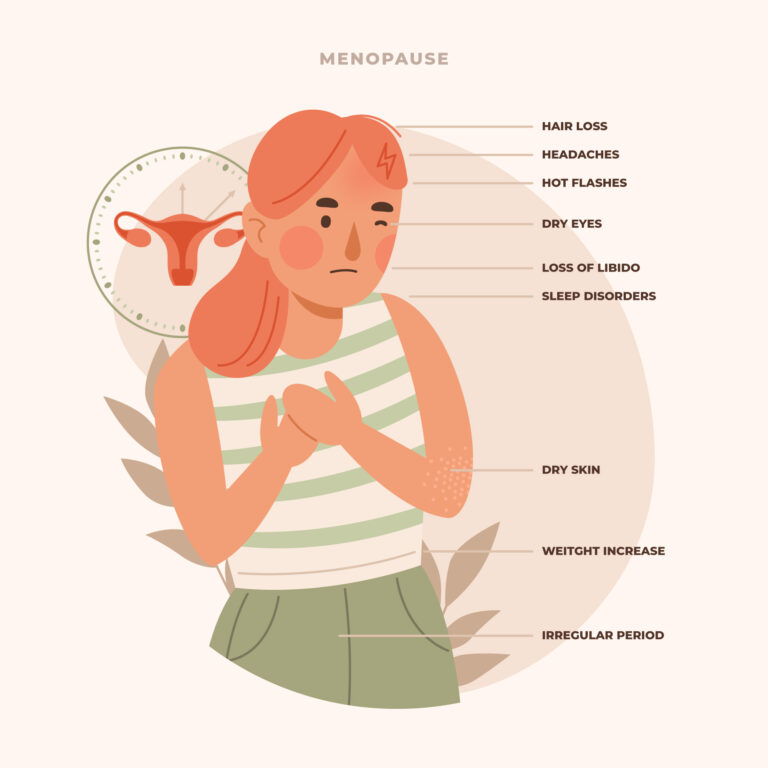
After age 40, you should continue your annual visits. This is a critical decade because perimenopause (the transition toward menopause) often begins, bringing changes in cycles, mood, and sleep. This is also the stage where you will discuss starting annual or biennial mammogram screenings.
How often should postmenopausal women visit a gynecologist?
Many women assume that once they go through menopause and can no longer get pregnant, they can stop seeing their gynecologist. However, you should still visit once a year. Postmenopausal women face an increased risk for uterine and ovarian cancers, as well as osteoporosis, all of which your gynecologist can screen for.
How often should pregnant women see their gynecologist?
Pregnancy requires a much more intensive schedule! For a standard, low-risk pregnancy, the schedule usually looks like this:
- Weeks 4 to 28: Once a month
- Weeks 28 to 36: Every two weeks
- Week 36 to birth: Once a week
Health Conditions & Exceptions
How often should women with health issues see a gynecologist?
If you have chronic conditions like Polycystic Ovary Syndrome (PCOS), endometriosis, a history of abnormal Pap smears, or are undergoing treatment for infertility, you will need to see your gynecologist much more frequently. Depending on the condition, your schedule might shift to every 3 to 6 months.
Frequently Asked Questions
How often should postmenopausal women see a gynecologist?
As mentioned above, postmenopausal women should continue to visit their gynecologist annually. Post-menopausal bleeding or pelvic pain should never be ignored and warrants an immediate appointment.
Can gynecologist visits prevent health problems?
Absolutely. Gynecologists are your first line of defense against cervical cancer (via Pap smears and HPV testing), breast cancer (via clinical exams), and pelvic inflammatory disease (by catching and treating STIs early).